The EHR may be the most visible technology platform inside a healthcare organization. It is not the only one.
Modern healthcare operations can depend on a combination of:
- EHR or EMR
- practice-management systems
- PACS and imaging
- radiology workstations
- pharmacy and e-prescribing
- patient portals
- telehealth
- Microsoft 365
- network infrastructure
- wireless connectivity
- cybersecurity
- identity
- backup and recovery
Those systems have to coexist.
The Application Vendor Owns the Application
Healthcare organizations may use platforms such as Epic, eClinicalWorks, Allscripts or NextGen. Those vendors understand their applications.
But the application may still rely on an environment involving:
- workstations
- Windows Server
- SQL
- DNS
- networking
- Internet connectivity
- firewall rules
- secure remote access
- printing
- scanning
- backups
Someone has to coordinate the infrastructure around the application.
Not Every Clinical Device Is a Normal Computer
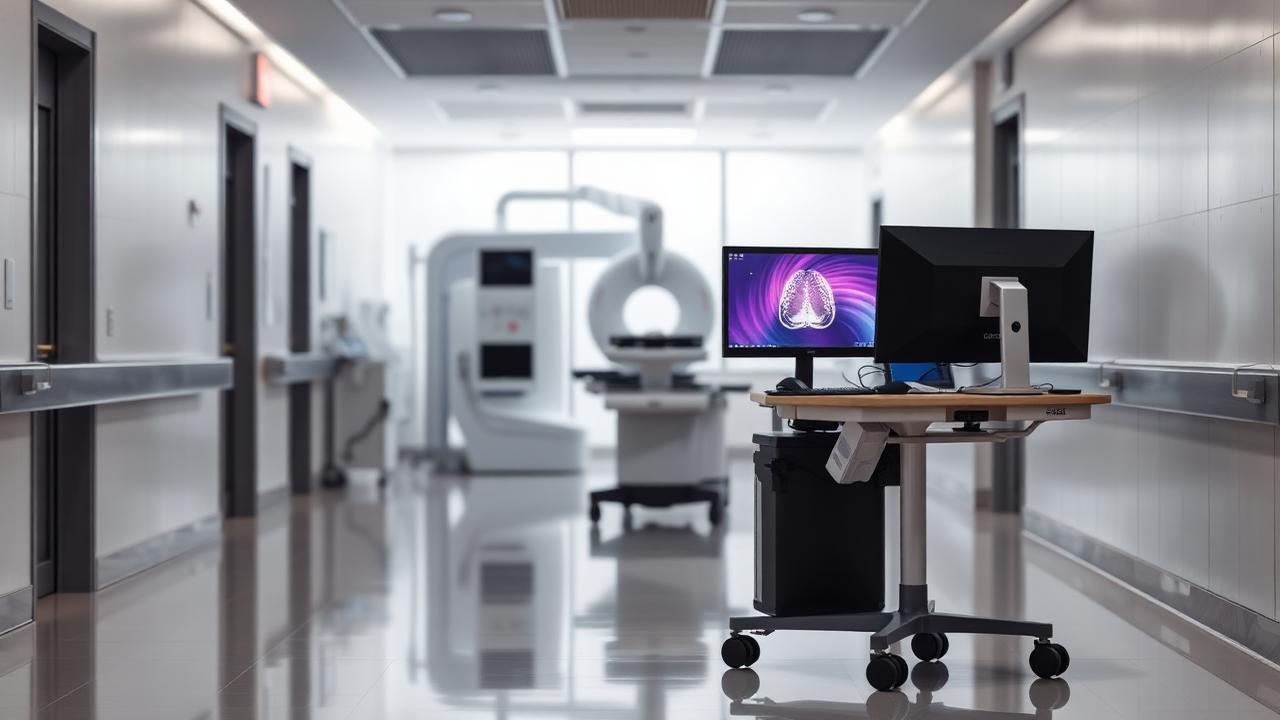
Healthcare environments can also contain imaging devices, diagnostic systems and vendor-controlled equipment that cannot be managed exactly like an ordinary office workstation.
Some may require specific software versions or vendor approval before changes occur. That can require network segmentation, restricted access and careful maintenance planning.
Downtime Affects Operations
When clinical technology becomes unavailable, the impact is different from an ordinary office application outage.
Providers may lose access to information they use throughout the day. Scheduling can be disrupted. Imaging or other supporting workflows may become unavailable.
That is why healthcare IT requires both technical skill and an understanding of clinical operations.
Mayer Networks works with healthcare organizations and their software vendors to manage the technology environment around the clinical systems they rely on.