Mayer Networks

Managed IT

Network Infrastructure

Mayer Networks designs, deploys and manages the wired and wireless networks organizations depend on: switching, routing, firewalls, segmentation, remote access and connectivity between locations.

Platforms we design, deploy and manage

Equipment is selected for the environment and for what we can support long term.

SonicWallUniFiCisco Meraki

Network design

Designed as an Architecture, Not a Pile of Devices

Most networks that cause trouble were never designed. They accumulated. Mayer Networks starts with the building, the circuits and the traffic that actually exist, then builds a deliberate architecture: a secure edge, a switching backbone, wireless that covers the space, and segmentation that keeps the wrong traffic away from the wrong systems.

  • Capacity and growth
  • Security segmentation
  • Monitoring and visibility
  • Documented configuration
Primary InternetFiber / carrier circuitFailover CircuitSecondary / LTEOther LocationsSite-to-site tunnelNEXT-GENERATION FIREWALLInspection · policy · VPN · content filtering · loggingCORE SWITCHINGManaged, monitored, VLAN routingAccess SwitchOffices / floorsAccess SwitchSecond buildingAccess PointsWireless coveragePoE EdgeCameras / phonesSEGMENTED FOR SECURITYStaffServersVoiceCamerasGuestProduction
Network engineer reviewing a topology map on a large monitor
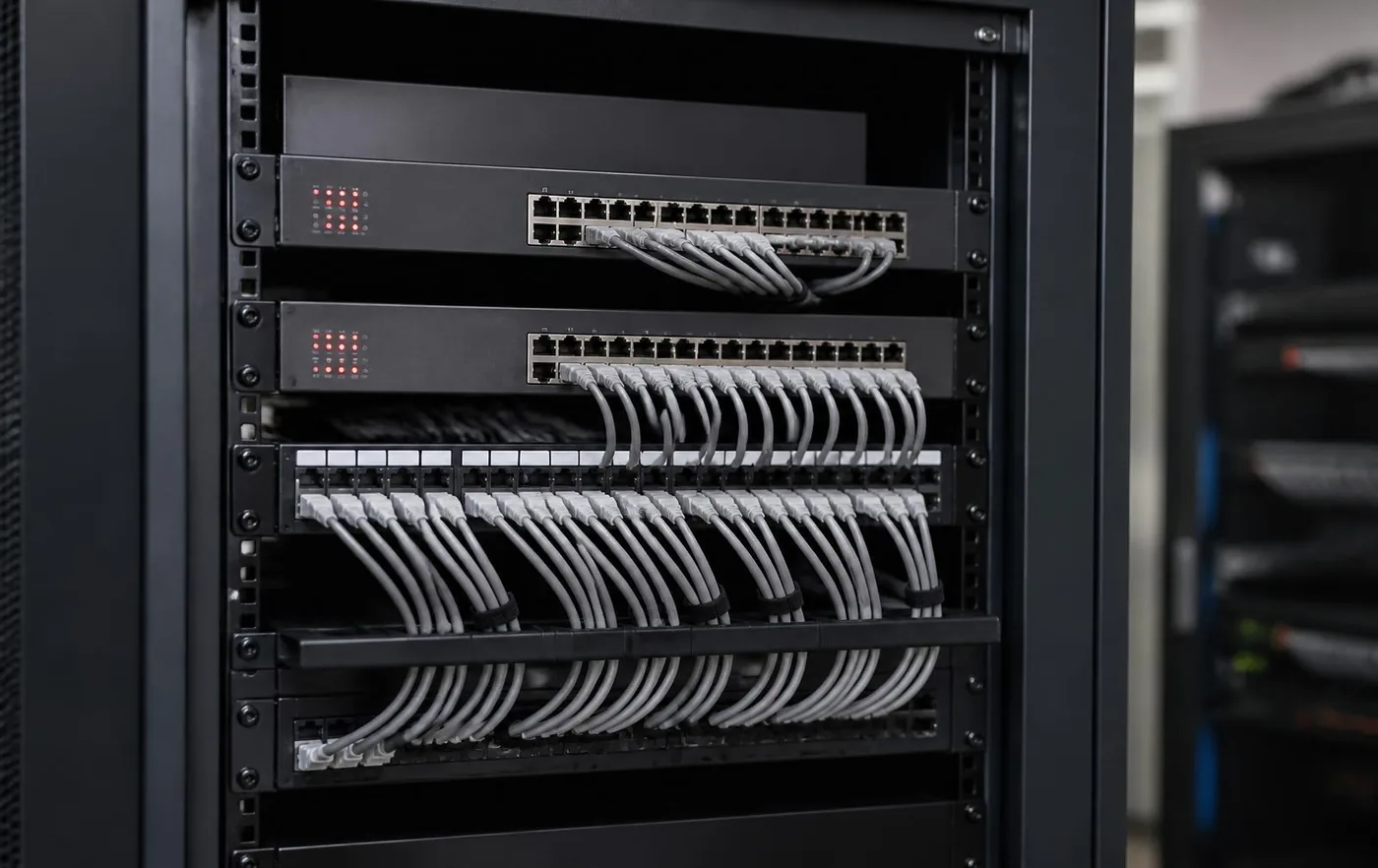
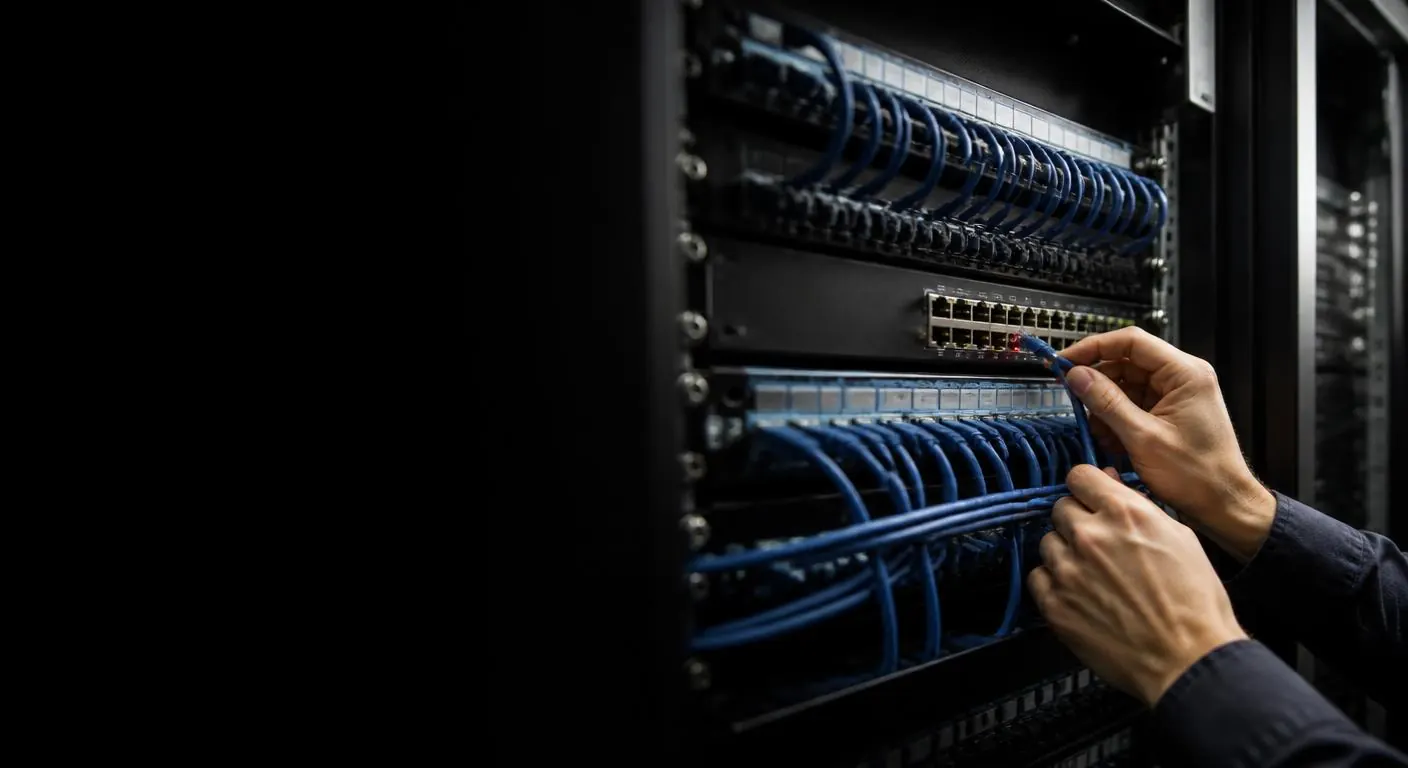
Managed switches and a labeled patch panel in a clean network cabinet

Who this is for

  • Organizations with aging switches, firewalls or unmanaged equipment
  • Multi-building campuses and multi-site organizations
  • Manufacturers separating production systems from office networks
  • Public-sector environments with security and segmentation requirements

What usually prompts the call

  • Unmanaged equipment that cannot be monitored or updated
  • Flat networks where every device can reach every other device
  • Remote access built without identity controls
  • Internet outages that stop the entire organization

What we take on

  • Network design and documentation
  • Managed switching and routing
  • Next-generation firewall deployment and management
  • Network segmentation and VLAN design
  • Site-to-site connectivity between locations
  • Secure remote access
  • Internet redundancy and failover planning
  • Structured cabling coordination

The stack we build and manage

Secure Edge. Switching Backbone. Wireless Access.

Mayer Networks designs, deploys and manages each layer with equipment that can be monitored, updated and supported, including platforms from SonicWall, UniFi and Cisco Meraki.

01

Secure Edge

A next-generation firewall is the boundary between your organization and everything else. We size it for the circuit, configure policy deliberately, keep firmware current and review rules instead of leaving them to accumulate.

  • Policy and rule review
  • Site-to-site and remote access VPN
  • Content filtering and inspection
  • Failover between circuits
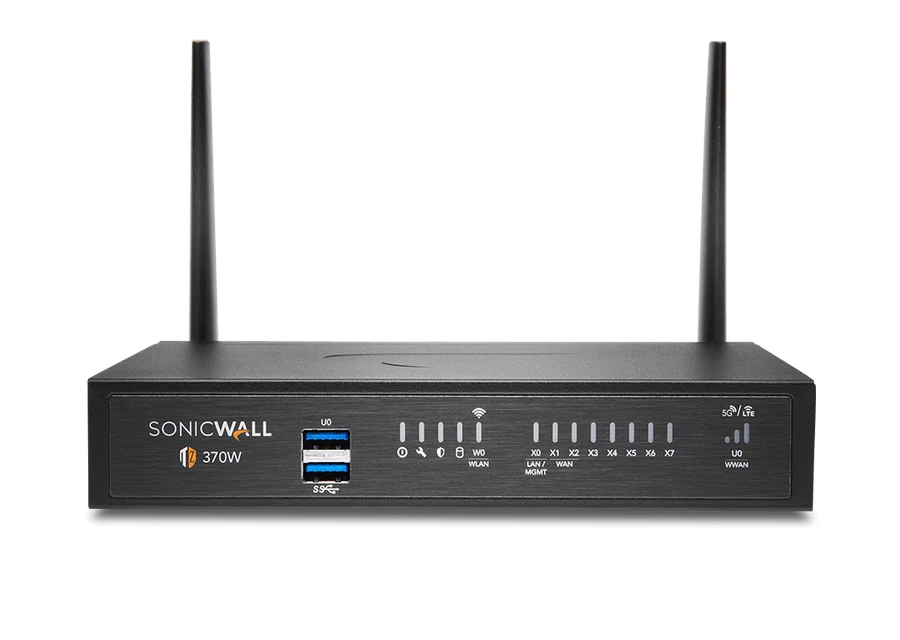
SonicWall
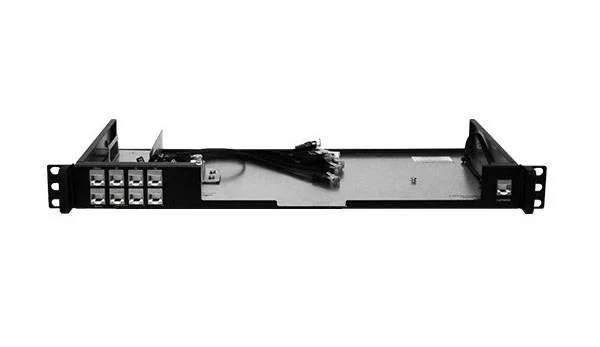
SonicWall TZ series next-generation firewall applianceRack-mounted SonicWall TZ series firewalls
02

Switching Backbone

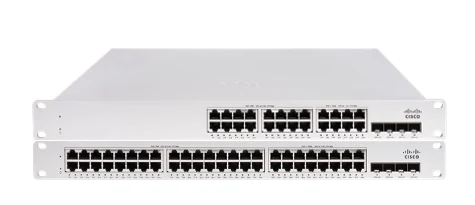
Managed, business-class switching replaces unmanaged boxes nobody can see into. Ports are labeled, VLANs are assigned on purpose, PoE budgets are planned for phones, cameras and access points, and every switch reports in.

  • Managed and monitored switches
  • VLAN and port assignment by design
  • PoE planning for phones, cameras and Wi-Fi
  • Firmware and configuration management
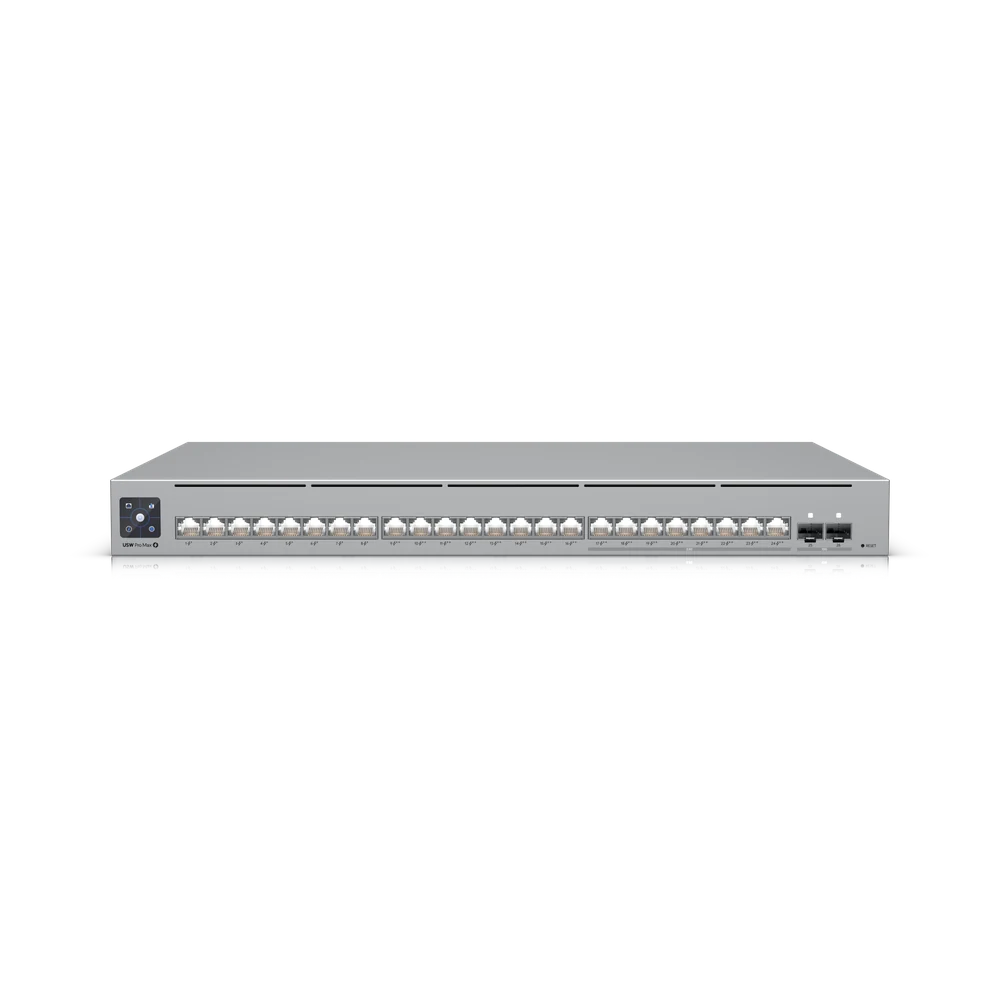
UniFiCisco Meraki
UniFi Pro Max PoE managed switchCisco Meraki MS150 series cloud-managed switch front panel
03

Wireless Access

Coverage is designed from the building, not guessed from a box count. Access point placement accounts for masonry, plaster, racking and outdoor yards, and staff, guest and device traffic land on separate networks.

  • Site survey and placement design
  • High-density and warehouse coverage
  • Separate guest and staff networks
  • Ongoing monitoring and tuning
UniFiCisco Meraki
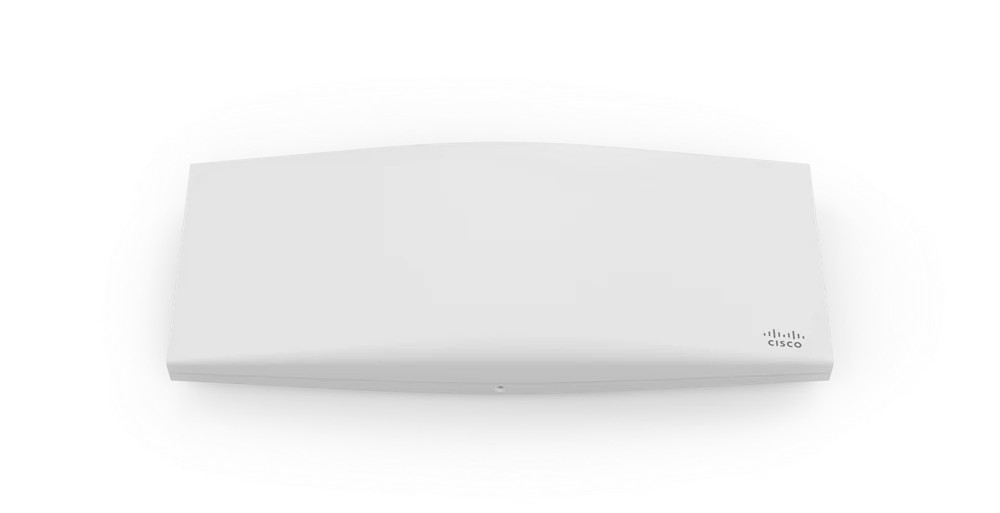
UniFi U7 Pro wireless access pointCisco Meraki MR45 wireless access point

Product images are the property of their respective manufacturers and are shown to identify equipment categories Mayer Networks deploys and manages.

Segmentation

A Flat Network Means One Compromised Device Can Reach Everything

Segmentation divides the network so traffic only crosses where it should. It is one of the highest-value security controls available to most organizations, and it is far easier to design in than to retrofit after an incident.

Staff & workstations

Business applications, file access, printing

Servers & applications

Restricted to the systems that need them

Voice

Prioritized traffic for phones and call quality

Cameras & access control

Isolated from business systems

Guest & public Wi-Fi

Internet only, no path to internal systems

Production & OT

Plant equipment separated from the office network

Multi-site connectivity

Multiple Locations Should Behave Like One Network

Campuses, branch offices, garages, shops and remote staff should run on the same standards rather than four different networks that each need to be relearned. We connect locations with encrypted site-to-site links, keep configuration consistent and document what is where.

  • Encrypted site-to-site connectivity between locations
  • Identity-based remote access with MFA
  • Consistent equipment standards across sites
  • Failover planning where an outage would stop work
  • Coordination with carriers on your behalf

Connect locations to Mayer Networks private cloud infrastructure

Main OfficeFirewall + core switchingSecond BuildingCampus fiber linkBranch OfficeEncrypted tunnelRemote FacilityShop, plant or garageRemote StaffIdentity-based VPN + MFAOne standard, one set of policies, one place to look when something breaks

How an engagement runs

  1. Step 1

    Survey

    We document existing equipment, cabling, connectivity and traffic requirements.

  2. Step 2

    Design

    A design that accounts for capacity, segmentation, redundancy and security requirements.

  3. Step 3

    Deploy

    Equipment is configured, labeled, documented and installed with a plan for cutover.

  4. Step 4

    Manage

    Ongoing monitoring, firmware maintenance and configuration management.

The standard we build toward

What Good Network Infrastructure Looks Like

Every environment is different, but the target is consistent. These are the conditions we design toward and then maintain, whether we are correcting an inherited network or building a new one.

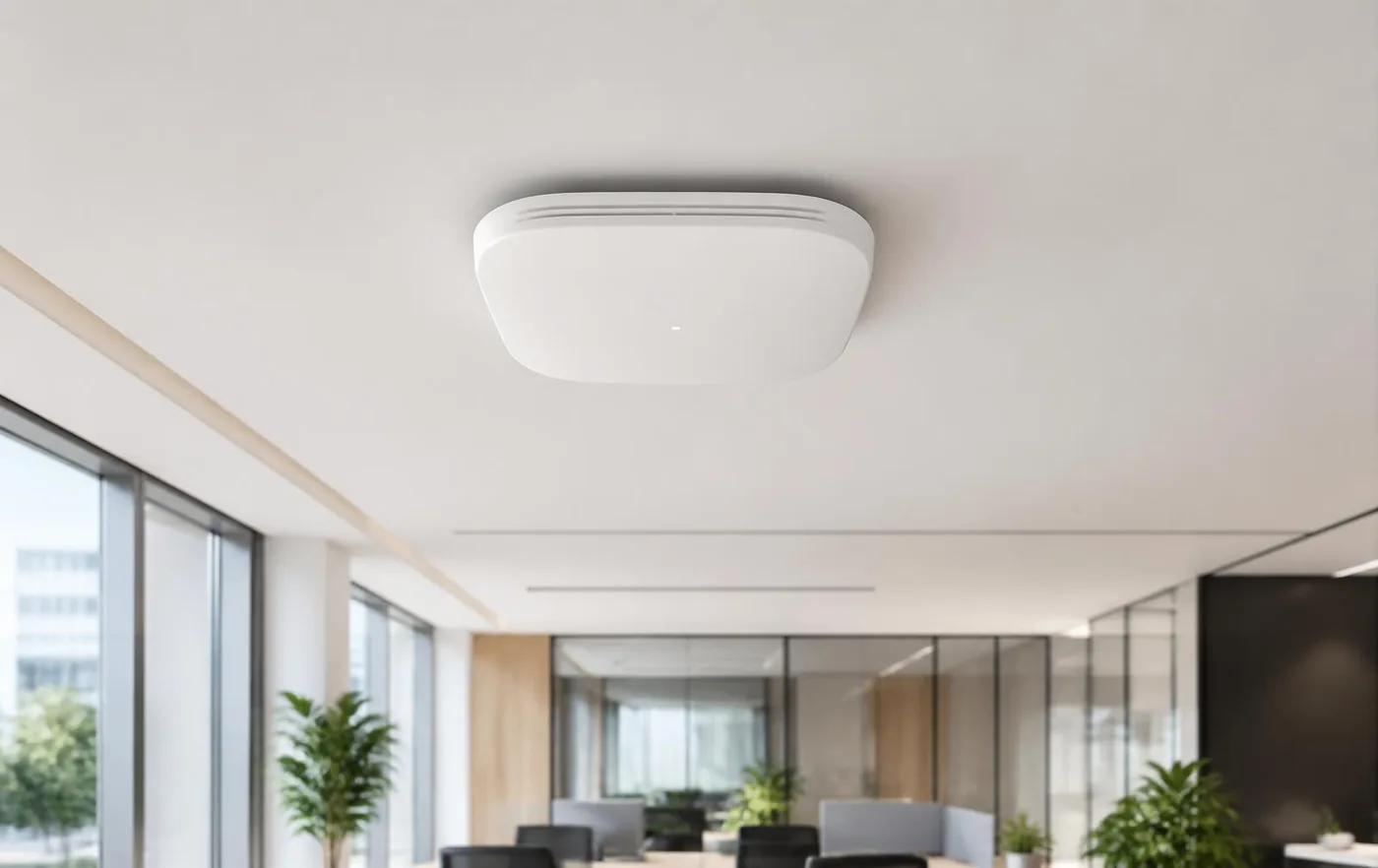
Ceiling-mounted wireless access point in a modern office
  • A secure Internet edge

    A firewall sized for the circuit, configured on purpose and kept current.

  • Business-class switching

    Managed switches that can be monitored, updated and reconfigured without a truck roll.

  • Wi-Fi that covers the building

    Designed placement instead of access points added one at a time over the years.

  • Segmentation where it matters

    Cameras, guests, voice and production separated from business systems.

  • Documented architecture

    Labeled ports, recorded configuration and diagrams that survive staff turnover.

  • Monitored infrastructure

    Equipment that reports in, so problems are found before the phone rings.

  • Room to grow

    Port count, PoE budget and bandwidth planned for the next few years, not just today.

  • Connectivity that survives an outage

    Failover designed where losing the circuit would stop the organization.

Equipment categories

Business-Grade Hardware, Standardized and Supportable

We standardize on manageable equipment so configuration, monitoring and firmware maintenance stay consistent across your locations. Hardware is specified, procured, configured, labeled and documented before it is installed.

  • SonicWall next-generation firewall

    Firewalls & security appliances

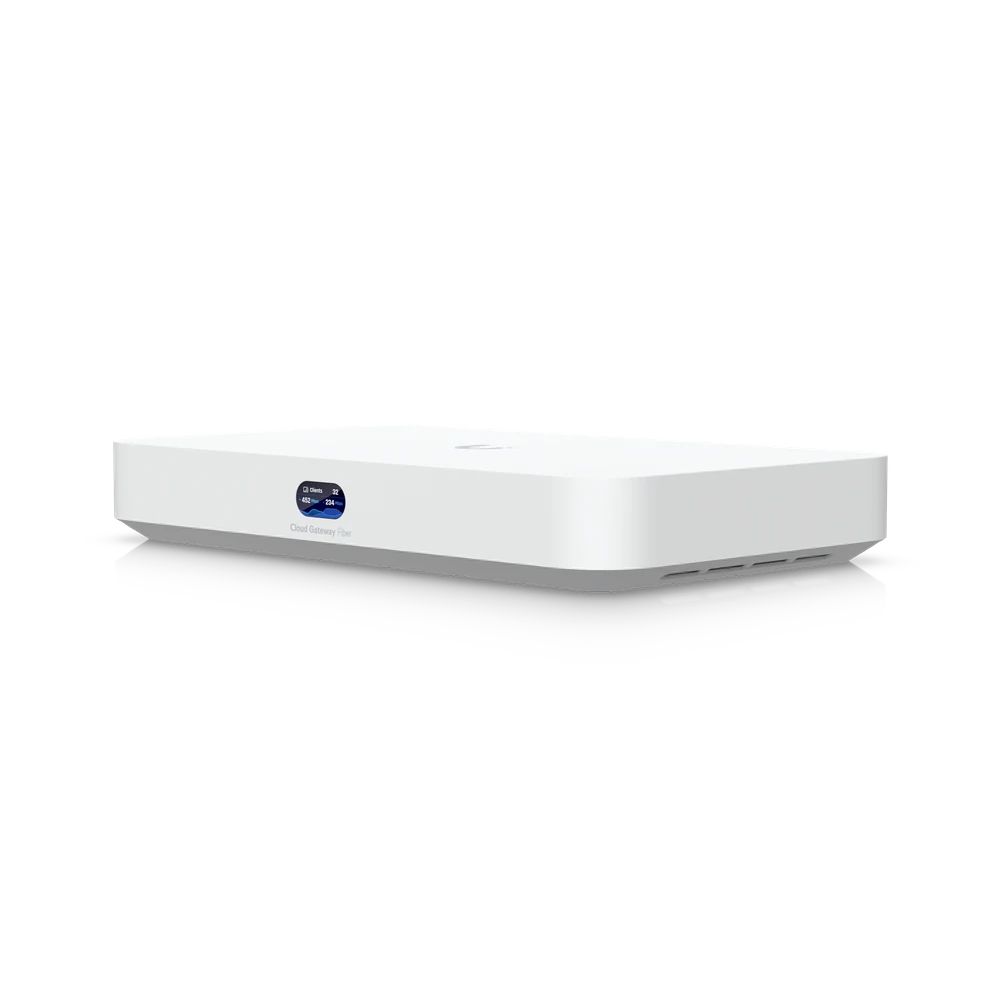
  • UniFi cloud gateway

    Gateways & routing

  • UniFi managed PoE switch

    Managed PoE switching

  • UniFi wireless access point

    Wireless access points

How Mayer Networks handles procurement and hardware lifecycle

Before and after

From Accumulated Equipment to Engineered Infrastructure

What we usually inherit

  • Wi-Fi that drops between rooms
  • Unmanaged switches nobody can see into
  • Firewall rules added years ago and never reviewed
  • Guest, camera and business traffic on one flat network
  • Every site configured differently
  • No diagram, no labels, no documentation
  • Vendors pointing at each other during an outage

What we leave in place

  • Coverage designed for the actual building
  • Managed switching with monitoring and firmware control
  • Reviewed policy on a firewall sized for the circuit
  • Segmented networks that contain a compromised device
  • One standard applied across every location
  • Documented, labeled and diagrammed infrastructure
  • One accountable partner for the whole environment

Designing for the buildings and circuits that exist here

Regional network design is constrained by physical reality more than by product choice. Older buildings in this area hold masonry and plaster that wireless does not pass through politely, plants and warehouses hold racking and metal that changes coverage as inventory moves, and campus sites are often connected by fiber that someone trenched years ago with no current documentation. A survey answers questions a datasheet cannot.

Circuit availability varies street by street. Fiber is available at some addresses and not at the one next door, and a design that assumes symmetric bandwidth everywhere will fail at the branch office. We design around the connectivity actually available at each site, including failover where an outage would stop work, and we document what is installed so the next change does not begin with discovery.

Why Mayer Networks

  • Networks designed with security segmentation from the start
  • Coordination with carriers and internet providers on your behalf
  • Responsive remote and onsite support from engineers based in Southern Illinois, not a queue in another time zone.
  • Experience with public safety, healthcare and manufacturing environments

Security considerations

  • Segmentation between user, server, voice, camera and production networks
  • Managed firewall rule review
  • Identity-based remote access with MFA
  • Firmware and vulnerability maintenance on network equipment

Questions

Frequently asked questions

Still have a question? Call 618-529-4922 or send us the details.

Do you provide cabling?

We coordinate structured cabling with qualified installers and handle the design, equipment and configuration.

Can you support our existing equipment?

In most cases yes, if the equipment is supported and manageable. We will tell you plainly when hardware should be replaced.

Do you provide internet service?

We do not sell circuits, but we coordinate with carriers, design redundancy and manage the equipment that uses them.

What is network segmentation and why does it matter?

Segmentation divides a network so a compromised device cannot reach everything else. It is one of the highest-value security controls for most organizations.

Let's talk about your technology

Tell us what you are running and what is not working. We will tell you plainly what we would do about it.