
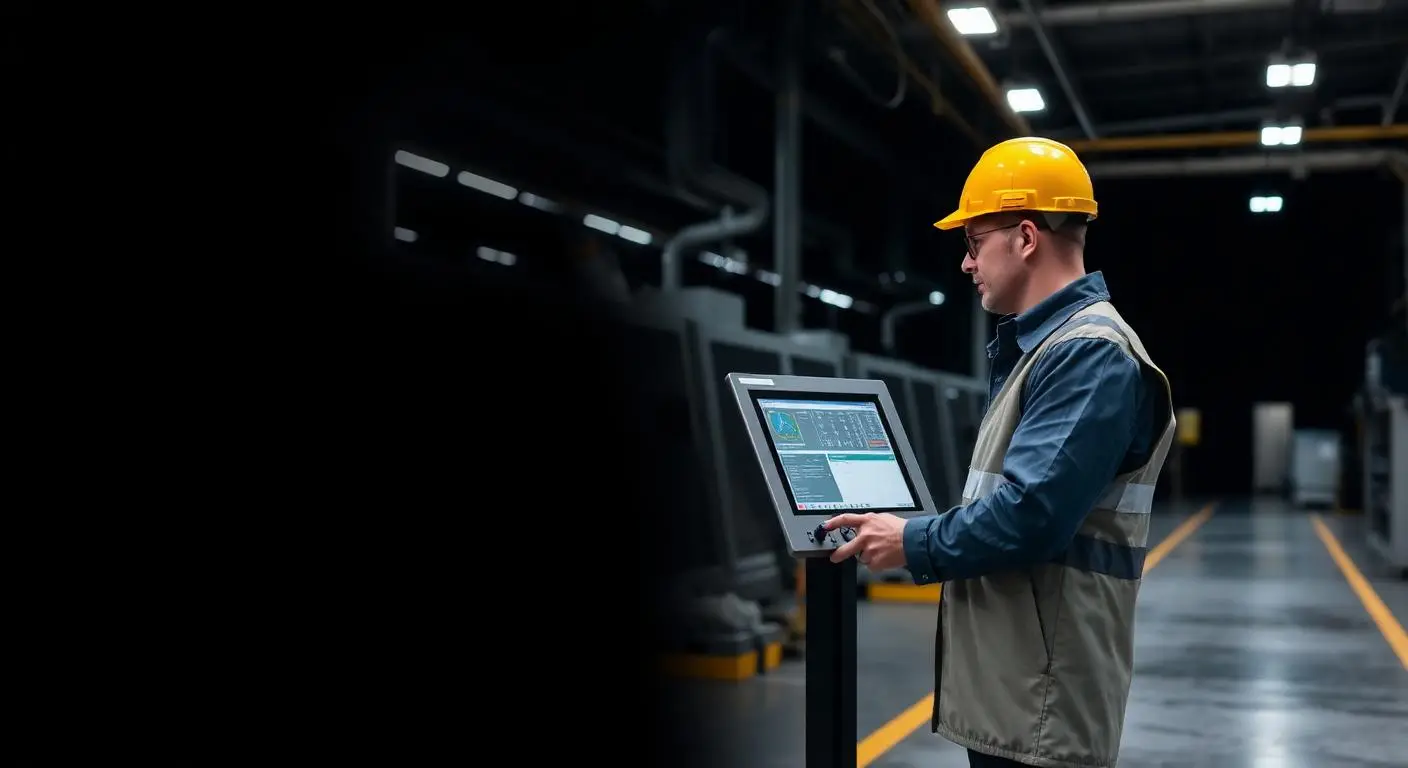
Production availability is the metric
An hour of ERP downtime can idle a line. Redundancy and recovery planning are built around production schedules, not office hours.
Industries
Manufacturing runs on ERP systems, production equipment and networks that reach across plant floors and warehouses. Downtime is measured in stopped production, and much of the software involved is older than the people using it.
An hour of ERP downtime can idle a line. Redundancy and recovery planning are built around production schedules, not office hours.
Many ERP and scheduling systems require specific Windows Server versions. Private cloud hosting removes aging hardware while the modernization decision is planned properly.
Production equipment, PLCs and machine controllers frequently run unsupported software and cannot be patched. Segmentation between production and office networks is essential.
Scanners and mobile devices need reliable wireless across racking, metal structures and outdoor areas, a design problem that requires a survey.
Machine vendors request remote connections into production systems. Those connections need identity, restriction and logging rather than a permanent open door.
Restoring a server is only part of it: machine configurations, licensing and integration points must also be recoverable.
Office systems get patched on a schedule and rebooted when needed. Production systems run software that is validated, warrantied or simply frozen by the machine vendor, and a reboot may mean a stopped line and a setup to redo. Treating both the same way is how a routine update becomes a production incident.
Mayer Networks manages the IT environment around production. We do not program PLCs or manufacturing machinery; we coordinate with the vendors who do.
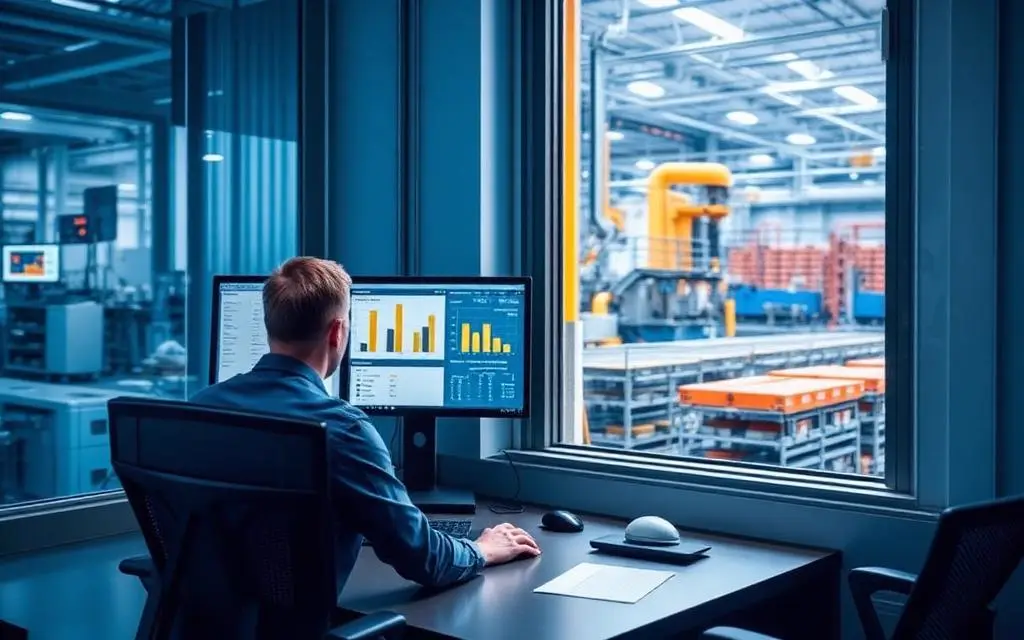
Office IT
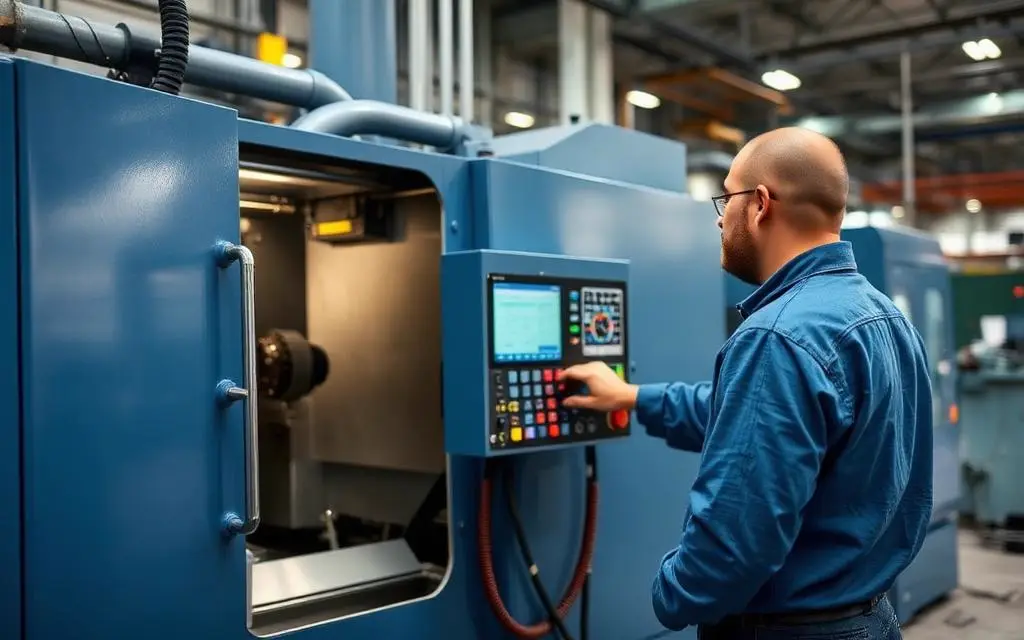
Plant floor / OT
A plant is one dependency chain from the order in the ERP to the label on the pallet. Downtime anywhere in it shows up on the floor.
Orders, inventory, scheduling and shipping. When it stops, the line notices.
Purchasing, accounting, quality and engineering on the business network.

Scanners, label printers and wireless coverage through racking and dock doors.
HMIs, workstations and terminals in an environment that is loud, dusty and hot.
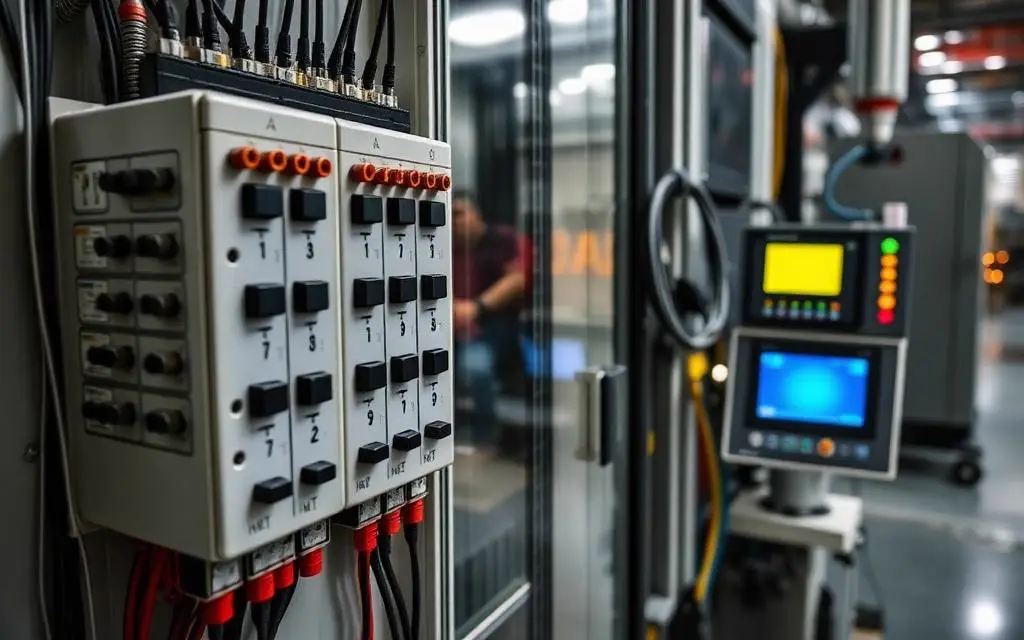
PLCs and CNC controllers with fixed software and vendor-set requirements.
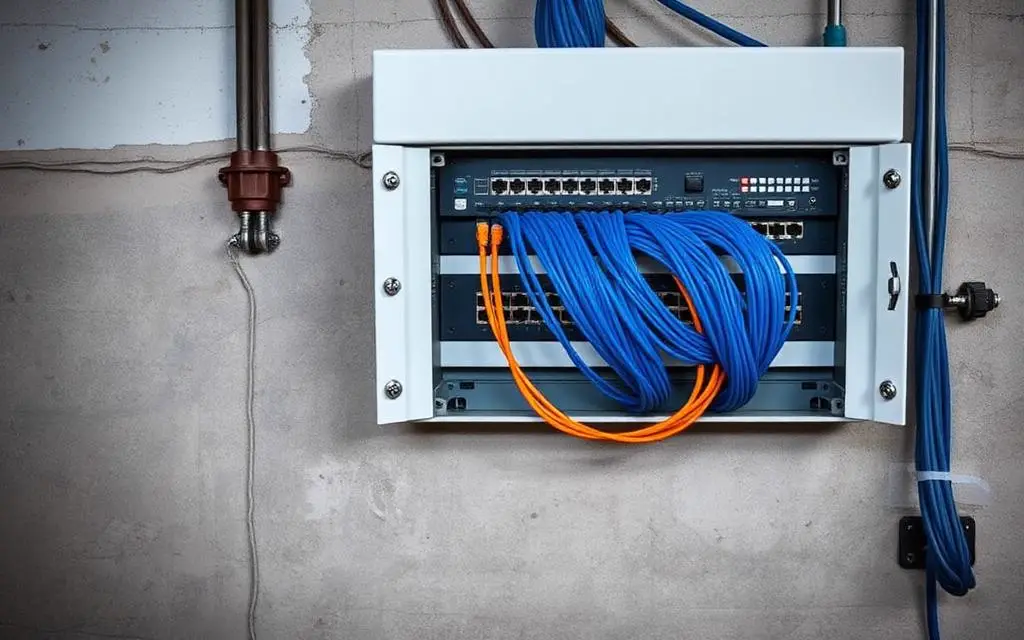
Segmented switching between office, warehouse and production traffic.
Machine and ERP vendors connecting in, through identity and logging.
Protection sized so it does not interfere with production systems.

Servers, databases and, where the vendor supports it, machine configuration.
Multiple plants, warehouses and a corporate office are handled as one environment: shared ERP access, site connectivity sized for it, one set of security standards, and wireless designed from a survey at each building rather than copied between them.
Frequently yes, after evaluating the application, vendor support and performance requirements.
Segmentation, restricted access and monitoring, coordinated with the equipment vendor.
Support arrangements are defined to match production schedules, including after-hours coverage for critical systems.
Yes, including surveys for warehouse, racking and outdoor coverage, coordinated with cabling installers.
Tell us what you are running and what is not working. We will tell you plainly what we would do about it.