Mayer Networks

Government

Government Technology Has Different Stakes. We Know the Environment.

Mayer Networks provides managed IT, cybersecurity, cloud infrastructure, communications, backup and technology leadership for municipalities, counties, courts, public-safety agencies, 911 centers, election authorities and other government organizations.

From city hall and the courthouse to police, fire, dispatch, elections, utilities and remote facilities, we understand that government technology has to work across very different departments while still operating as one connected environment.

Departments

One government, very different operating environments

A county courthouse, sheriff's office, 911 center, election office and highway department may share infrastructure while operating under completely different access, uptime, vendor and budgeting requirements. Support that treats them as one flat organization creates problems in every one of them.

Administration / City Hall

The office where finance, records, public notices and council or board business all run on the same handful of systems.

  • Microsoft 365 and email
  • Identity, accounts and access when staff change
  • Finance, billing and utility payment systems
  • Council and board meeting technology
  • Public records and document management
  • Website and public notice publishing
  • Workstation support and hardware replacement
  • Budget preparation and vendor coordination
Police / Sheriff

Records, evidence and mobile users operating around criminal justice information requirements and 24/7 shifts.

  • CJIS-related environments and segmentation
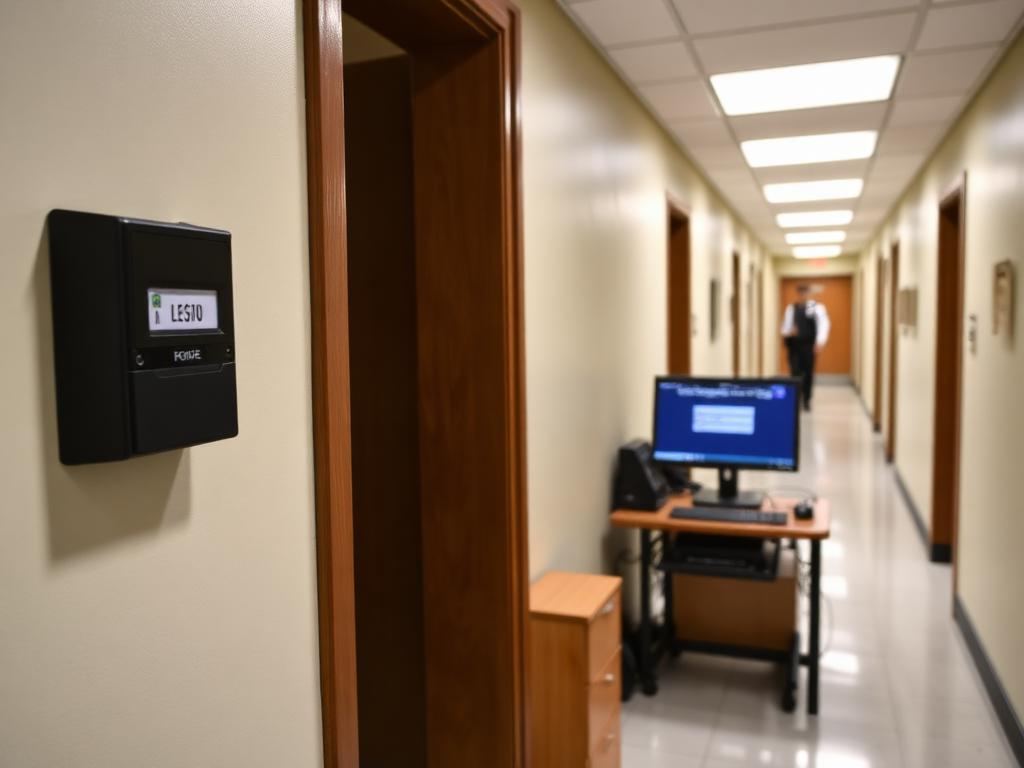
  • Restricted access and agency authorization before support
  • Background-checked personnel where the agency requires it
  • Records and evidence systems supported by their own vendors
  • Secure remote access for administrators and vendors
  • In-car and mobile users
  • Public-safety connectivity
  • Around-the-clock operational requirements

911 / Dispatch

A room that does not close. Infrastructure changes are planned around active dispatch operations rather than scheduled at convenience.

  • 24/7 availability with no ordinary maintenance window
  • CAD and vendor-managed dispatch dependencies
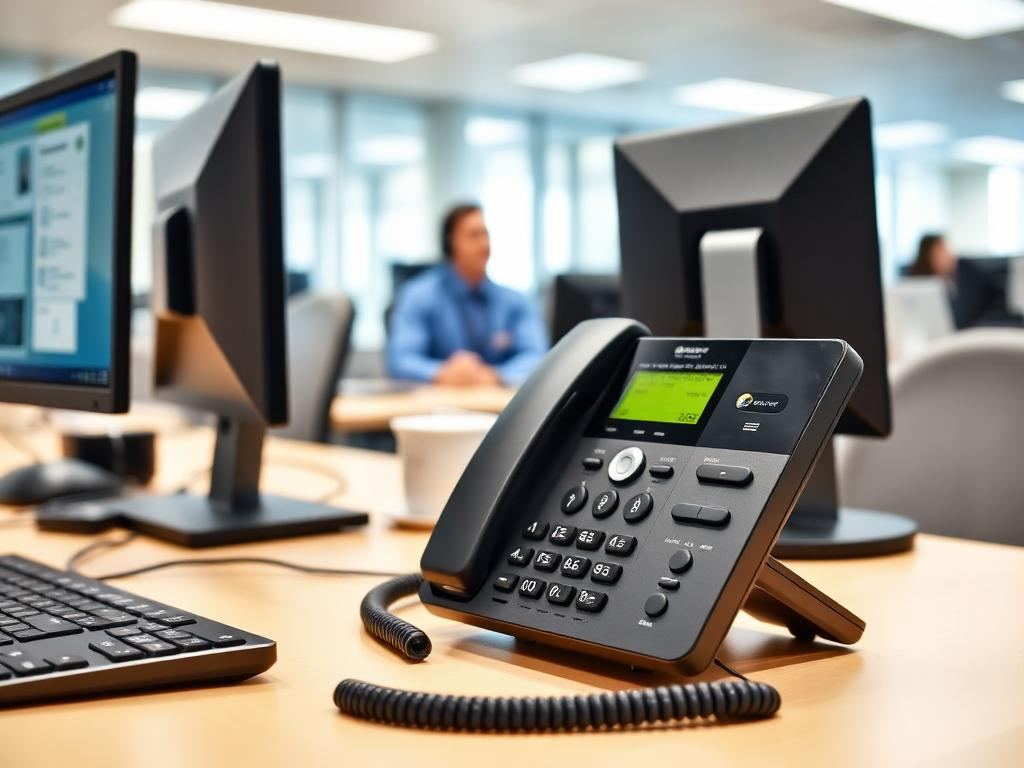
  • Telephony and recorded lines
  • Network redundancy and circuit dependencies
  • Segmented networks separate from administrative traffic
  • Workstation reliability at the console
  • Vendor coordination during upgrades
  • Recovery priority ahead of administrative systems

Fire / EMS

Multiple stations, field users and reporting obligations, often with the smallest amount of on-site technical help.

  • Station connectivity across several buildings
  • Reporting system access and workstation support
  • Dispatch connectivity to the station
  • Tablets, laptops and field users
  • Station Wi-Fi and apparatus bay coverage
  • Microsoft 365, identity and shared accounts
  • Cameras, phones and door access at stations
  • Backup and recovery for station systems

Courts / Circuit Clerk

Filing deadlines are set by statute, so an application outage becomes a legal problem rather than an inconvenience.

  • Court and case management systems
  • E-filing dependencies and connectivity
  • Document scanning and imaging workflows
  • SQL and server dependencies behind the application
  • Statutory deadlines that do not move
  • Secure access for judges, clerks and staff
  • Vendor coordination for upgrades and changes
  • Backup, restore testing and continuity planning

County / Municipal Clerk

The office of record. Publication, retention and public access requirements shape the technology more than user count does.

  • Records systems and retention obligations
  • Election administration responsibilities
  • Public document access and redaction workflows
  • Microsoft 365 and shared mailboxes
  • Website and meeting publication
  • Agendas, minutes and public notice deadlines
  • Coordination with state systems and reporting
  • Document management and scanning

Elections

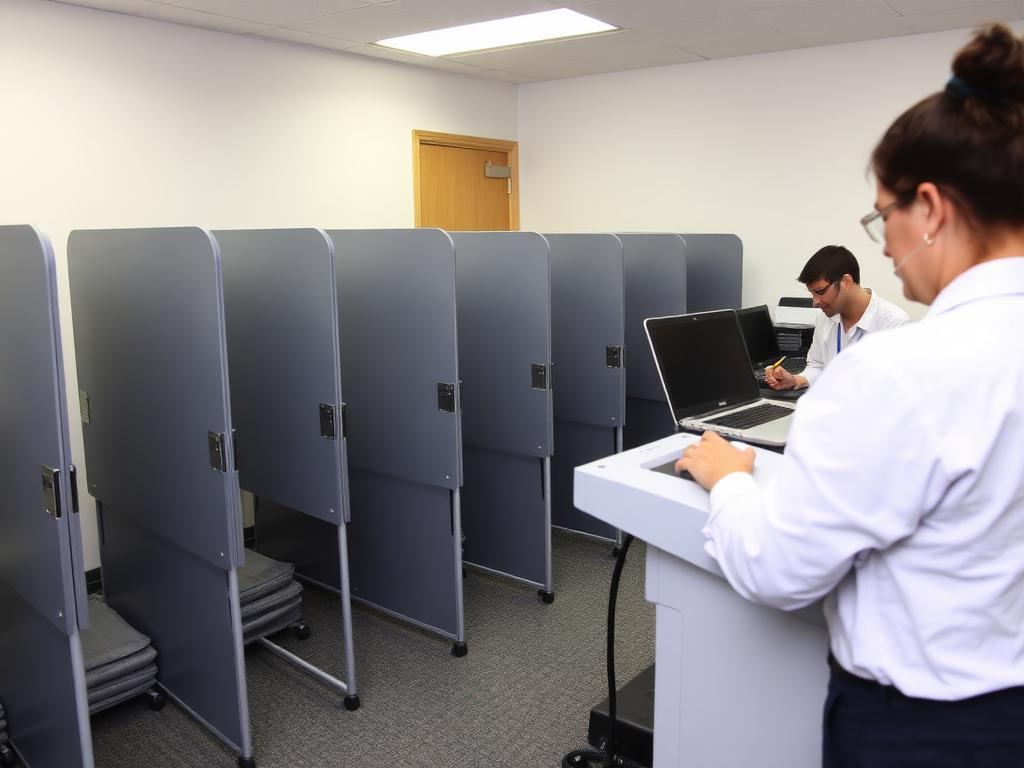
A calendar nobody controls. Work happens well before the window closes, and it has to be documented.

  • Fixed election calendars and change freezes
  • Coordination with the Illinois State Board of Elections
  • Segmented election office environments
  • Endpoint hardening and patch discipline
  • Restricted changes as an election approaches
  • Backup verified before critical dates
  • Documentation appropriate to public scrutiny
  • Advisories from state and federal cybersecurity resources

Treasurer / Collector / Assessor

Property tax and financial cycles have statutory dates, and the application vendor decides much of the server design.

  • Financial and property tax applications
  • Payment processing dependencies
  • Application vendor requirements
  • SQL and Windows Server prerequisites
  • Backup of databases, not just servers
  • Continuity planning around collection cycles
  • User access and separation of duties
  • Seasonal and statutory deadline pressure

Public Works / Utilities

Garages, plants, towers and remote facilities that were rarely designed as part of the same network as city hall.

  • Remote facilities and multiple buildings
  • Networking and site-to-site connectivity
  • Wi-Fi in shops, garages and yards
  • Phones and paging at outlying sites
  • Cameras and gate or door access
  • Operational workstations in rough environments
  • Utility billing systems and their vendors
  • Backup, recovery and cybersecurity at sites with no IT staff

Structure

Separate departments. Shared technology. Different responsibilities.

A city or county is not one organization that happens to have departments. Offices are separately elected or appointed, hold their own budget authority and answer to different oversight, yet many of them depend on the same circuit, the same directory, the same server room and the same backups.

County / Municipal Government

  • Administration
  • Sheriff / Police
  • 911 / Dispatch
  • Fire / EMS
  • Clerk
  • Courts
  • Treasurer
  • Assessor
  • Elections
  • Public Works
  • Utilities
  • Other departments

Shared technical layers underneath

A change to the shared layer is never only a technical decision. It touches offices with different uptime tolerances, different vendors and different people who have to approve it.

Infrastructure

Government still runs on infrastructure

Cloud services matter, and most agencies now depend on them. But behind the email and the web portals, government operations still run on servers, SQL databases, specialized applications, legacy systems, vendor-managed platforms and local or hosted infrastructure.

Mayer Networks designs, supports, hosts, protects and recovers those environments, alongside the cloud services that sit next to them.

Onsite servers and virtualization

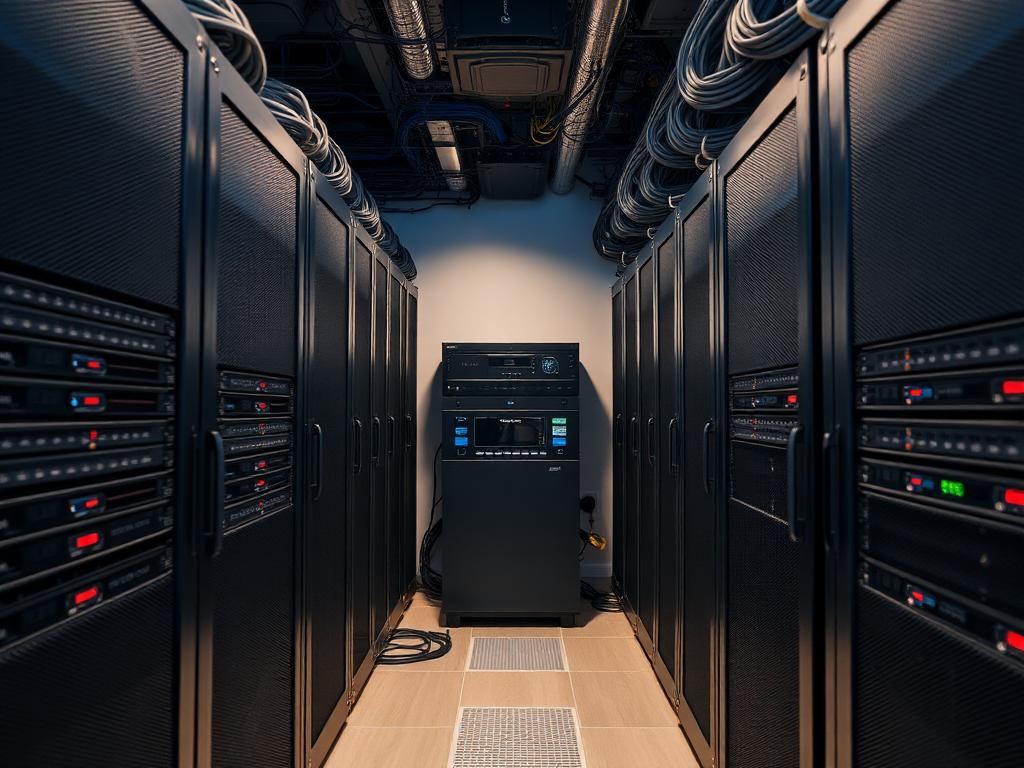
Domain controllers, file services, print services and virtualized hosts still sit in courthouse and city hall server rooms, and they still have to be patched, monitored and replaced on a plan.

SQL-backed applications

Public safety, court, tax, assessment, utility billing and finance systems commonly run on SQL Server. Upgrades, moves and performance problems are infrastructure work, not application work.

Legacy Windows applications

Some records and departmental systems are tied to older Windows Server versions. They can often be isolated, hardened and kept running while a replacement is budgeted.

Hosted government workloads

Where it fits, government servers and applications can be evaluated for hosting in the private cloud infrastructure Mayer Networks operates in Carbondale, Illinois.

Backup and recovery

Protected copies, retention aligned to records expectations and restore testing, so recovery is a tested procedure rather than an assumption.

Disaster recovery and failover

For workloads that cannot wait on a restore, failover targets can be designed where the platform and design support it.

Government technology has different requirements

Security

Sensitive records, criminal justice information and public trust raise the security bar, and requirements arrive from insurers, auditors and state and federal resources.

Availability

Permitting, payments, court filings, dispatch support and records access are obligations. Continuity is planned around public services, not servers.

Documentation

Audits, assessments and oversight require evidence that controls exist. We document what we implement.

Procurement

Specifications, quotes and grant detail must fit procurement processes and fiscal-year budgets.

Multiple departments

A county may have a dozen separately governed offices sharing one network across several buildings.

Regulatory obligations

CJIS, records retention and election-specific expectations shape technical decisions.

Support for Restricted Environments

Some public-safety and justice agencies require personnel background checks, agency approval or additional access controls before IT technicians may access their systems. Mayer Networks works within those requirements when supporting restricted government environments. CJIS-Focused Security

Government services

Local

Local means we already understand the environment

Your government should not have to teach its IT provider how government works.

Distance matters when a switch fails in a courthouse basement, but proximity is the smaller half of what local means here. The larger half is that the structure, the vendors, the deadlines and the approval path are already familiar, so a project does not begin with an education.

Mayer Networks has supported Illinois municipalities, counties, courts, clerks, sheriff's departments, election authorities and public-safety organizations, and escalation stays with people who know those environments rather than moving to a queue somewhere else.

  • How separately elected offices share one network and one budget cycle
  • Which specialized applications Southern Illinois agencies actually run
  • How work gets specified for a bid, a board packet or a grant
  • What a courthouse server room and a 911 console room are really like
  • Which state resources get involved and when
  • How election calendars restrict when work can happen
  • How public-safety access requirements affect who may touch a system
  • When somebody needs to be standing in the building instead of on a ticket

We Work With the Software Your Government Already Depends On

Local government technology environments rely on specialized software for public safety, courts, taxation, assessment, accounting, elections, records and departmental operations.

Mayer Networks works directly with these software vendors to help coordinate infrastructure requirements, secure remote access, server and SQL changes, software upgrades and technical troubleshooting.

Your employees should not have to act as the intermediary between their IT provider and their software company. We help coordinate that process.

Explore Government Software & Vendor Support

Examples of environments we have supported

  • LAWMAN
  • ID Networks
  • DEVNET
  • Fike & Fike Property Tax
  • Karpel
  • COTT
  • GBS Voting Systems
  • Tyler Technologies EPS

Vendor and product names are trademarks of their respective owners and their inclusion does not imply endorsement or partnership.

Public Record

Government Experience You Can Verify

City of Carbondale — public safety & 911 experience

When the City of Carbondale evaluated completion of its public-safety VoIP deployment, City staff documented the need for a provider with experience supporting governmental entities, public safety and 911 network requirements, and identified Mayer Networks as having the required expertise and experience.

Source: City of Carbondale City Council Agenda, February 25, 2025

Citywide Microsoft 365

The City of Carbondale's public record also documents its decision to work with Mayer Networks to transition municipal users to Microsoft 365 as legacy Exchange, SharePoint and Office platforms approached end of support.

Source: City of Carbondale City Council Agenda, February 25, 2025

Local and State

Working Across Local and State Government

Mayer Networks has deep government experience in Southern Illinois and works with State of Illinois technology organizations and infrastructure that are critical to government operations. That experience is the proof behind the practice, not a boundary around it: the same work applies to municipalities, counties and public-sector organizations throughout the region.

Our team regularly coordinates with state-level resources when supporting government networks, cybersecurity, connectivity and election environments.

  • Illinois Century Network

    Mayer Networks works with the Illinois Century Network in support of government connectivity and network infrastructure used by public-sector organizations.

  • Illinois Department of Innovation & Technology

    Mayer Networks coordinates with the Illinois Department of Innovation & Technology (DoIT) when supporting government technology environments that depend on State of Illinois systems, connectivity or technical requirements.

  • Illinois State Board of Elections

    Mayer Networks works directly with the Illinois State Board of Elections on cybersecurity initiatives related to local election environments.

References to State of Illinois organizations describe coordination and technical work on behalf of government clients. They do not imply partnership, endorsement, certification or preferred-vendor status.

Continuity

Some government systems do not get a convenient maintenance window

Business continuity planning usually assumes a quiet night and a tolerant user base. Public services do not offer either. The schedule is built around the obligation, and the obligation is different in every office.

911 and dispatch
Consoles, CAD connectivity and recorded lines are in use continuously. Changes are staged, coordinated with the vendor and scheduled with the center, not dropped in overnight without warning.
Police and sheriff
Shift work runs around the clock and mobile users are in the field while office systems are being worked on.
Fire and EMS
Station connectivity and reporting have to survive work performed at another station.
Courts and circuit clerk
Filing deadlines are statutory. A maintenance window that overruns can affect a docket.
Elections
The calendar is fixed and change freezes tighten as the date approaches. Work happens weeks early or not at all.
Payments and collection
Due dates concentrate the public into a few days when a counter cannot be down.

Accountability

Government should not have to coordinate five different technology companies

It is common to find a phone vendor, a camera company, a website contractor, a network provider and several application vendors all touching the same environment, with the clerk or the administrator left holding the pieces together between meetings.

Mayer Networks can be the local technical authority across the environment. Application vendors, state agencies, electricians and specialized contractors do not disappear, and we are not claiming to replace them. What changes is that one local team understands how the pieces interact and is accountable for the technical result.

One local technology team that understands the whole environment.

Procurement

Knowing how it gets bought matters as much as knowing how it works

A recommendation that ignores the approval path does not survive a board meeting. Work is scoped so it can actually be funded and approved.

  • Fiscal-year timing and what can realistically be completed inside it
  • Board and council approval steps, with technical detail written for a packet
  • Specifications suitable for a bid or RFP process
  • Grant applications and the documentation they require
  • Long hardware lifecycles and planned replacement rather than emergency purchases
  • Multi-year sequencing when the whole environment cannot be funded at once

Questions

Frequently asked questions

Still have a question? Call 618-529-4922 or send us the details.

What kinds of government organizations does Mayer Networks support?

Municipalities, county governments, courts and circuit clerks, sheriff's departments, election authorities, public safety organizations and government administrative departments, including multi-building environments.

Can Mayer Networks support CJIS environments?

Yes. We implement and document technical controls aligned to the CJIS Security Policy in coordination with the agency and its state CJIS contacts. Compliance determinations rest with the agency and its CJIS Systems Agency.

Do you coordinate with state and federal cybersecurity resources?

We work with and coordinate alongside organizations such as MS-ISAC, CISA, Illinois DoIT and state election cybersecurity personnel on behalf of government clients when appropriate. This describes coordination, not partnership or endorsement.

Can government applications be hosted in your datacenter?

Many can, after evaluation, in the private cloud Mayer Networks operates in Carbondale, Illinois, including legacy applications tied to older Windows Server versions.

How do you handle procurement and budget cycles?

Work is sequenced across fiscal years and grant cycles, with the largest risks addressed first. We provide technical specifications and cost detail for procurement and grant processes.

What documentation do you provide for audits?

Documentation of implemented technical controls, network separation, backup coverage and restore testing.

References to government agencies and cybersecurity organizations describe Mayer Networks' experience coordinating with these entities on behalf of clients and do not imply endorsement, sponsorship, certification, or formal partnership unless expressly stated.

Let's talk about your agency's technology

Tell us what you are running and what is not working. We will tell you plainly what we would do about it.